
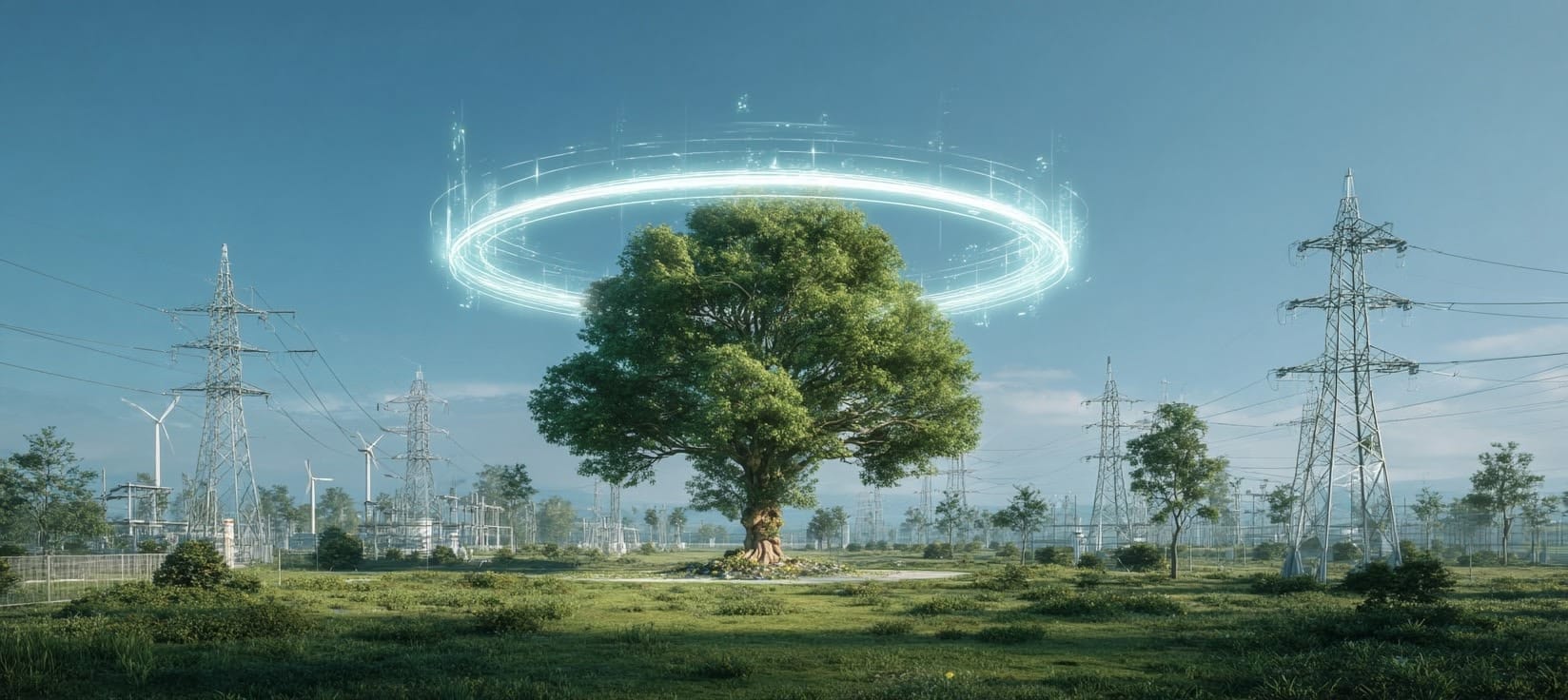
The global shift toward sustainable energy sources hinges on one critical factor: upgrading electrical infrastructure that was never designed to handle today's complex power demands. Traditional power networks, originally built for centralized fossil-fuel generation, now face unprecedented pressure to accommodate distributed renewable energy sources while maintaining reliability and efficiency.
The Scale of Infrastructure Transformation Required
Achieving the ambitious 1.5°C climate target set by the Paris Agreement demands an extraordinary infrastructure buildout. Industry estimates suggest that approximately 80 million kilometers of electrical networks must be constructed or upgraded by 2040—essentially matching the total length of all existing global power grids combined. This massive undertaking introduces significant complexity to modernization initiatives worldwide.
Three fundamental obstacles stand in the way of successful power infrastructure transformation:
Growing Capacity Demands
The proliferation of electric vehicles, artificial intelligence data centers, and heat pump systems continues driving electricity consumption to unprecedented levels. Many regions face the prospect of doubling or tripling their existing network capacity to accommodate these emerging loads, creating substantial strain on aging infrastructure components.
Renewable Integration Bottlenecks
Despite strong momentum in clean energy development, significant delays plague the connection of wind, solar photovoltaic, and hydropower generation to existing networks. Regulatory hurdles, infrastructure limitations, and financing constraints have created a substantial queue of generation capacity awaiting grid integration approval.
Regional Infrastructure Variations
Power network configurations differ dramatically across geographic regions, necessitating customized approaches to modernization. Certain areas operate with minimal interconnection to neighboring systems, requiring localized solutions for maintaining resilience and reliability during the transition period.
Strategic Foundations for Power Network Transformation
Despite these formidable challenges, systematic approaches to grid modernization can successfully navigate the energy transition. Three strategic pillars form the foundation for transforming legacy power systems into intelligent, flexible networks.
Digital Transformation Through IEC 61850 Protocol Standards
The IEC 61850 communication standard, initially developed for substation automation applications, has evolved into a cornerstone technology for the broader energy ecosystem. Its standardized communication protocols—including Manufacturing Message Specification (MMS), Generic Object-Oriented Substation Event (GOOSE), and Sampled Measured Values (SMV)—enable seamless data exchange while ensuring consistency and reliability across interconnected systems.
| Capability | Benefit |
|---|---|
| Multi-vendor Interoperability | Simplifies integration of equipment from different manufacturers, reducing overall system complexity |
| Standardized Data Models | Supports real-time operational requirements and enhances distributed energy resource integration |
| Scalable Architecture | Accommodates bidirectional energy flows and evolving network demands |
The IEC 61850-compliant networking equipment provides the robust communication backbone essential for modern substation automation. Industrial-grade managed switches designed for power environments ensure zero packet loss during critical operations while supporting essential protocols like GOOSE messaging and sampled values transmission.
Battery Energy Storage as Grid Stability Anchor
Battery energy storage systems (BESS) have emerged as indispensable components for balancing intermittent renewable generation with consistent power delivery. These systems provide multiple critical grid services:
Frequency Regulation Capabilities
Modern storage installations respond within milliseconds to correct frequency deviations, either absorbing excess generation or releasing stored energy to maintain network stability within acceptable parameters.
Dynamic Load Balancing Functions
Storage assets capture surplus energy during off-peak periods and dispatch it during high-demand intervals, smoothing the variable output from renewable sources and reducing curtailment of clean generation.
The commercialization of energy storage has accelerated dramatically, driven by declining battery costs, supportive government policies, and the critical role these systems play in enabling higher renewable energy penetration. Industrial networking solutions ensure reliable communication between battery management systems, energy management platforms, and grid operators.
Consumer Participation in Energy Markets
End users are transforming from passive electricity consumers into active participants in the energy ecosystem through several mechanisms:
Demand Response Programs
Incentive structures encourage consumers to shift energy consumption away from peak periods, relieving network stress during high-demand intervals and reducing the need for peaking generation capacity.
Distributed Storage Solutions
Residential and commercial storage installations enable communities to capture and utilize renewable energy locally, enhancing overall network reliability while providing backup power during outages.
Electric Vehicle Integration
Smart charging infrastructure, supported by intelligent communication gateways, enables electric vehicles to function as mobile storage assets. Managed charging systems can shift vehicle charging to periods of low demand or high renewable generation, while vehicle-to-grid technology promises bidirectional energy flow in the future.
International Success Stories in Grid Transformation
Thailand: Emerging as Southeast Asia's Energy Hub
Thailand has deployed advanced metering infrastructure to analyze consumption patterns while upgrading substations with IEC 61850-compliant systems. These initiatives have substantially reduced power outages, accelerated renewable energy adoption, and positioned the country as a regional leader in energy innovation. The implementation of substation automation solutions has been instrumental in achieving these results.
Australia: Pioneering Renewable Integration
Australia has emerged as a global leader in combining solar, wind, and battery storage with conventional generation sources. The country has strengthened network stability through real-time monitoring and intelligent control systems, demonstrating how advanced industrial communication infrastructure enables high renewable penetration without compromising reliability.
Germany: Enabling Electric Vehicle Expansion
Germany has implemented extensive low-voltage network monitoring projects to collect real-time transformer performance data. This initiative has enabled unprecedented network visibility, preventing potential overloads while supporting the country's aggressive electric vehicle adoption targets. The deployment of industrial edge computing systems at distribution points enables localized data processing and rapid response to changing conditions.
Building the Resilient Energy Network of Tomorrow
Grid modernization represents the essential foundation enabling successful energy transition. By embracing digital transformation through standardized communication protocols, deploying strategic energy storage assets, and empowering consumers to participate actively in energy markets, power networks worldwide can overcome current challenges while accelerating toward sustainable operation.
Advanced industrial networking and edge computing solutions play a critical role in this transformation, delivering the reliable communication infrastructure that enables grid flexibility, operational efficiency, and seamless integration of distributed energy resources. From IEC 61850 protocol implementation to large-scale storage system networking, robust industrial communication expertise empowers energy stakeholders to achieve resilient, net-zero objectives.
The path forward requires coordinated investment in infrastructure, technology, and policy frameworks. Organizations that prioritize modernization today position themselves to capitalize on the opportunities presented by the evolving energy landscape while contributing to global sustainability goals.