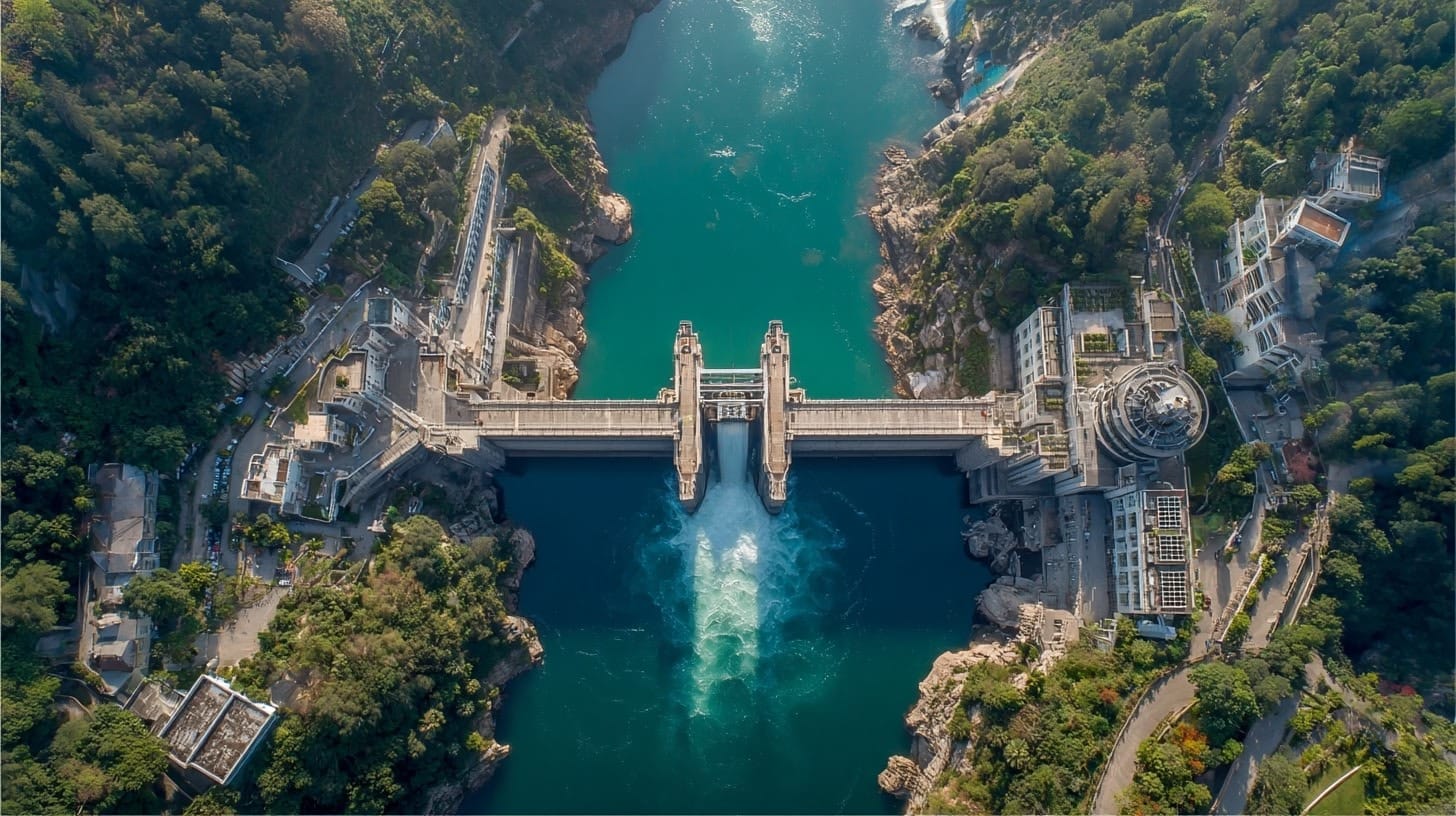
Renewable energy facilities face mounting pressure to optimize power generation while maintaining grid stability. For hydropower operators seeking to modernize aging infrastructure, the challenge extends beyond simple equipment upgrades. Legacy control systems for excitation, governing mechanisms, and water turbines often operate on incompatible network protocols, creating data silos that prevent holistic operational visibility.
This case study examines how one hydropower facility achieved significant operational improvements by deploying Time-Sensitive Networking (TSN) infrastructure to unify disparate control networks and enable artificial intelligence-driven optimization.
The Challenge of Fragmented Industrial Networks
Traditional hydropower plants evolved organically over decades, resulting in control architectures where critical subsystems function independently. Excitation controllers, governor systems, and turbine monitoring equipment each communicate through proprietary protocols, making comprehensive data analysis virtually impossible.
| Legacy System Component | Original Protocol | Integration Challenge |
|---|---|---|
| Excitation Controllers | Proprietary Serial | Isolated data streams |
| Governor Systems | Fieldbus Protocol | Limited bandwidth |
| Water Turbine Monitoring | Legacy Ethernet | Inconsistent latency |
| Protection Relays | Different Industrial Protocol | No unified visibility |
This fragmentation creates several operational inefficiencies. Plant operators cannot correlate data from different subsystems in real time, predictive maintenance becomes guesswork rather than science, and implementing advanced analytics requires expensive custom integration projects.
The facility recognized that achieving meaningful efficiency gains required more than incremental improvements. A fundamental network architecture transformation was necessary to support their ambitious AI implementation goals.
System Requirements for Modern Hydropower Operations
The modernization initiative established two primary technical requirements that would guide infrastructure decisions.
Unified Network Architecture: The new platform needed to consolidate applications running on disparate protocols into a single cohesive network. This consolidation would eliminate communication barriers between subsystems while reducing infrastructure complexity and maintenance burden.
Deterministic Communication with High Bandwidth: Artificial intelligence systems processing control data require predictable network behavior. Variable latency and packet loss introduce unacceptable uncertainty into AI-driven decision-making. The solution demanded Gigabit-class throughput combined with guaranteed delivery timing for mission-critical control messages.
These requirements pointed toward emerging industrial networking standards designed specifically for convergent operational technology environments. Industrial Ethernet switches with TSN capabilities provide the deterministic communication essential for real-time control applications while maintaining backward compatibility with existing infrastructure.
Implementing TSN Infrastructure for AI-Ready Operations
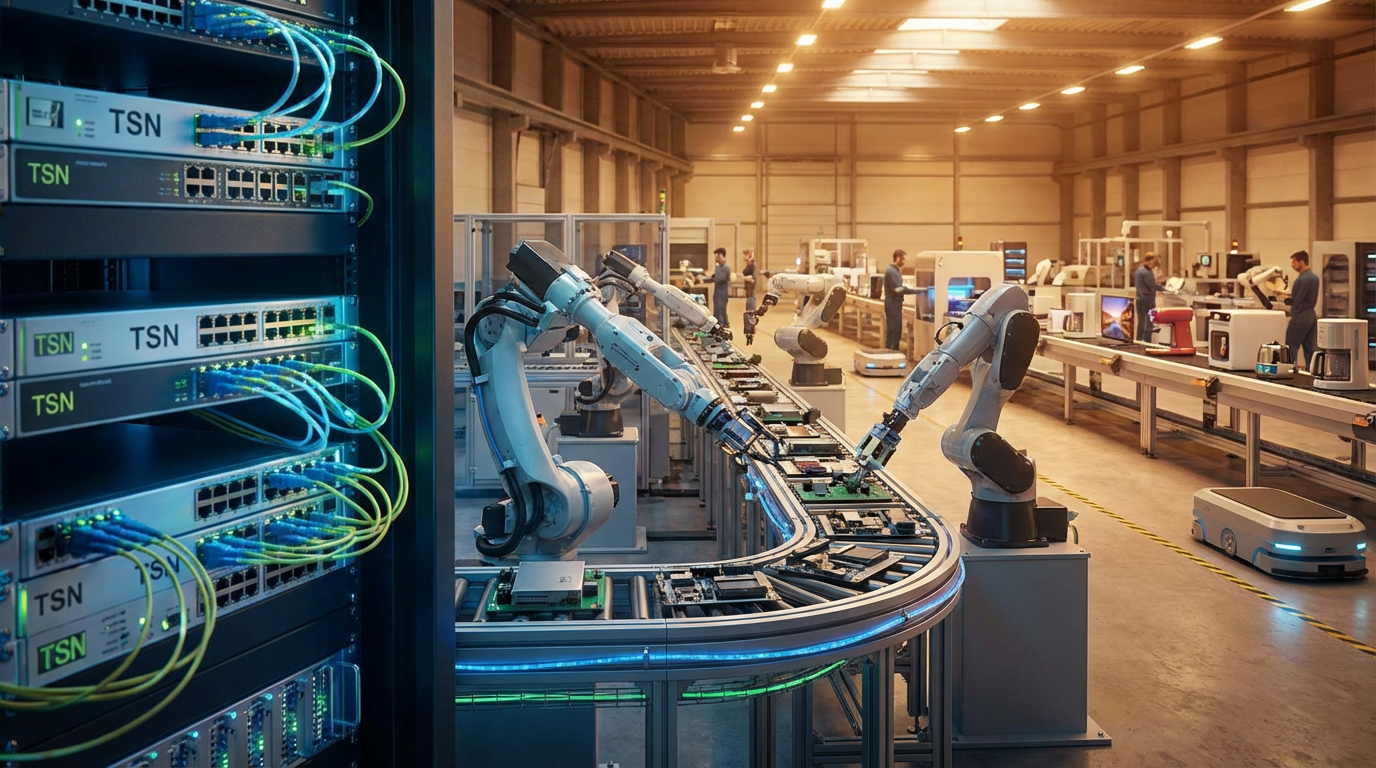
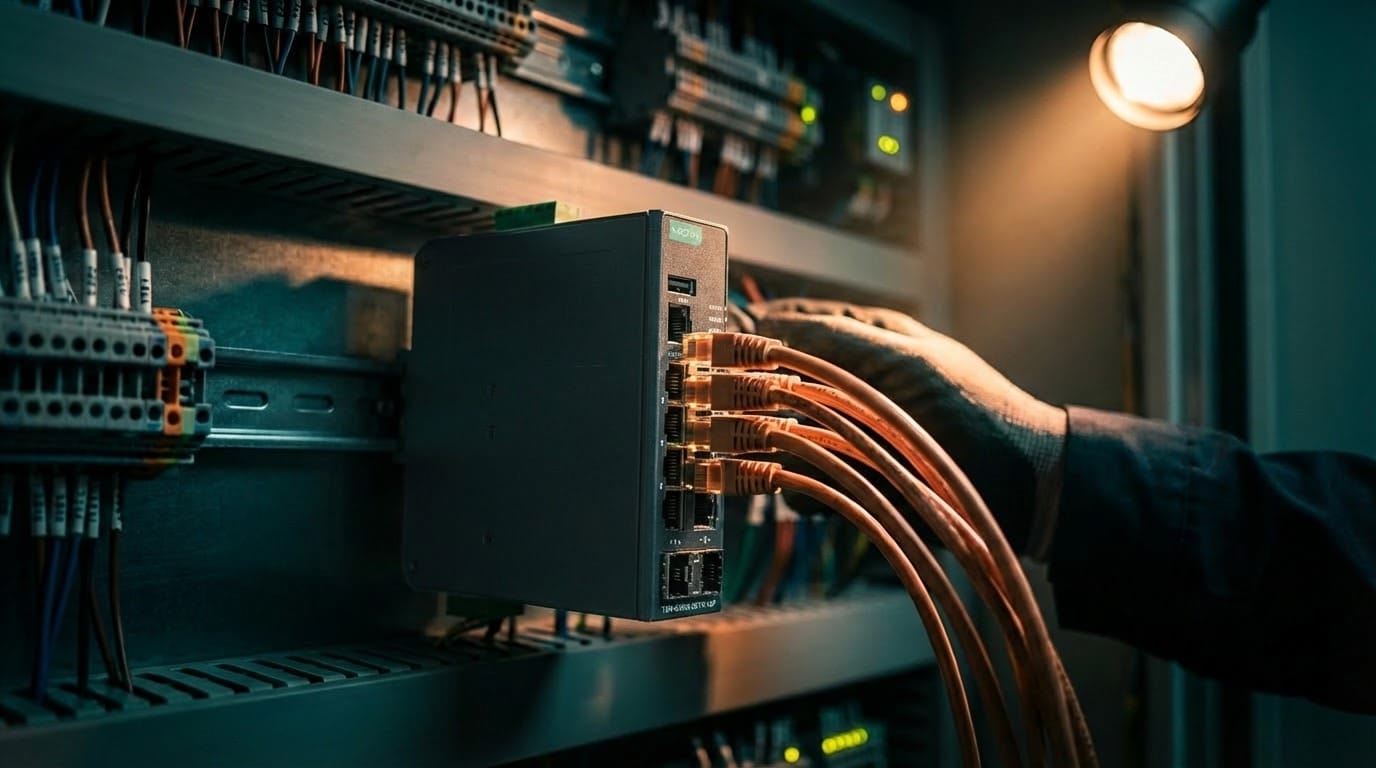
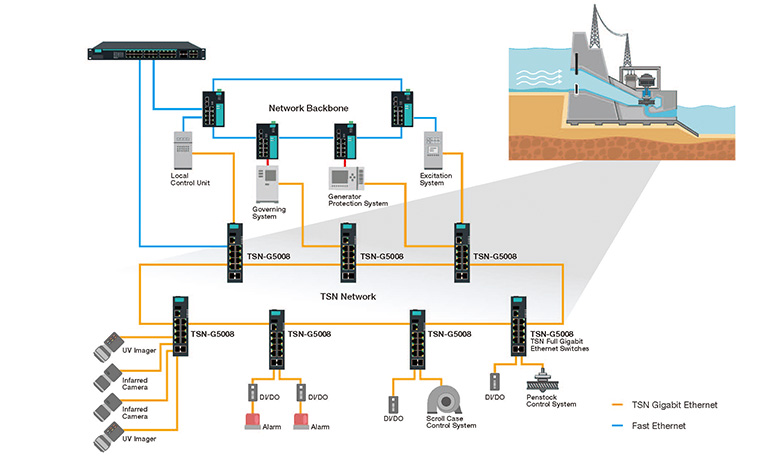
The TSN-G5008 Series switches formed the backbone of the modernized network architecture. These industrial-grade switches delivered the specific capabilities needed to address the facility's requirements.
Network Unification Through Protocol Convergence
The 8-port Gigabit switches connected all control systems through a single unified network fabric. By eliminating the protocol translation overhead that plagued the legacy architecture, the new infrastructure significantly reduced communication latency between subsystems.
| TSN Switch Capability | Operational Benefit |
|---|---|
| 8-Port Gigabit Bandwidth | High-volume data transmission |
| Low Latency Performance | Real-time AI processing |
| TSN Protocol Support | Deterministic control messaging |
| Industrial Security Features | Protected critical infrastructure |
The simplified network structure delivered multiple advantages beyond pure connectivity. Maintenance teams now work with standardized equipment and familiar protocols throughout the plant. Troubleshooting becomes straightforward when all systems speak the same network language.
Enabling Artificial Intelligence Integration
TSN technology proved essential for resolving interoperability challenges between the legacy control network and newly deployed AI optimization systems. The deterministic capabilities of Time-Sensitive Networking ensure that sensor data arrives at AI processing nodes with consistent timing, enabling accurate pattern recognition and predictive modeling.
This AIoT (Artificial Intelligence of Things) solution represents the convergence of operational technology networks with advanced analytics capabilities. The architecture ensures that AI algorithms receive the high-quality, time-synchronized data streams necessary for effective operation.
For organizations planning similar modernization initiatives, industrial edge computing platforms provide the processing power needed to run AI inference workloads at the network edge, minimizing latency between data collection and automated response.
Measured Outcomes and Operational Improvements
The TSN-powered infrastructure transformation delivered quantifiable improvements across multiple operational dimensions.
Enhanced Efficiency: With unified visibility into all control systems, operators can now optimize power generation in real time. The AI system analyzes relationships between excitation settings, governor positions, and turbine performance to identify optimal operating points.
Rapid Grid Response: The deterministic network enables faster adjustments to power output in response to grid demands. When grid operators request increased or decreased generation, the facility can respond with precision and speed.
Reduced Maintenance Costs: Standardizing on a single network infrastructure dramatically reduces spare parts inventory and training requirements. Maintenance personnel develop deep expertise with consistent equipment rather than superficial knowledge of multiple proprietary systems.
Improved Adaptability: The modern infrastructure positions the facility for future technology adoption. Whether implementing additional AI capabilities, integrating renewable generation assets, or connecting to smart grid systems, the TSN foundation supports continued evolution.
Building Future-Ready Power Generation Infrastructure
This hydropower modernization project demonstrates the transformative potential of converged industrial networking. By selecting TSN infrastructure capable of unifying disparate control systems while providing the deterministic performance AI applications demand, the facility achieved substantial operational improvements.
The success factors from this implementation offer guidance for similar projects. Choosing networking equipment designed for IEC 61850-based power systems ensures compatibility with evolving smart grid standards. Prioritizing deterministic communication capabilities provides the foundation for current and future AI applications.
For power generation facilities evaluating network modernization, managed industrial Ethernet switches with TSN support represent the path toward unified, intelligent operations. The investment in modern infrastructure pays dividends through improved efficiency, reduced costs, and enhanced competitive positioning in evolving energy markets.
Organizations seeking to explore TSN-enabled solutions for power generation applications should consider comprehensive case study resources that detail additional implementation scenarios and technical requirements for various industrial environments.