TLDR: A leading industrial machinery manufacturer unified proprietary laser and machine control networks in CNC equipment using TSN-G5008 switches, achieving deterministic communication with <100μs latency for servo control while simultaneously transmitting high-resolution vision data. The IEEE 802.1 TSN infrastructure eliminated network segmentation overhead, reduced integration time by 40%, and enabled real-time multi-application convergence on a single Gigabit Ethernet backbone.
Overview: TSN Drives Convergence in Advanced Manufacturing
Modern CNC machining centers demand unprecedented network performance: sub-millisecond servo response, multi-megapixel vision feedback, and distributed I/O synchronization—all on unified infrastructure. Traditional approaches isolated these functions on separate proprietary networks, creating integration complexity.
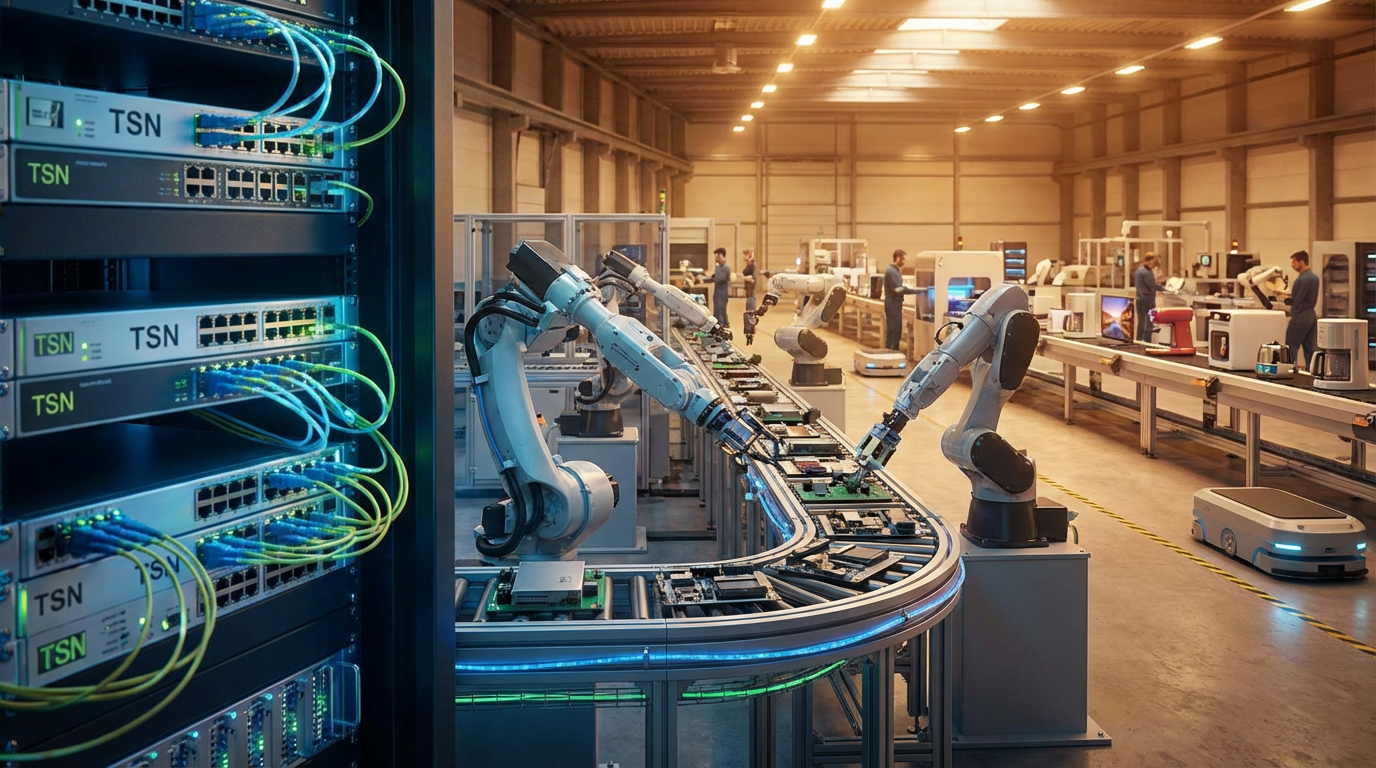
Time-Sensitive Networking (TSN), defined by IEEE 802.1 standards, enables converged network architectures where motion control, machine vision, and I/O coexist without interference through deterministic latency guarantees and bandwidth reservation.
A global machinery manufacturer faced exactly this challenge: integrating laser processing and CNC control systems in space-constrained equipment for international deployment. Legacy proprietary networks created maintenance burdens, especially for overseas installations. The solution required standards-based TSN infrastructure capable of <100μs determinism while supporting Gigabit throughput for industrial cameras.
Challenge: Proprietary Networks Limit Scalability and Integration
The manufacturer's CNC machines integrated three critical subsystems with conflicting network requirements:
| Subsystem | Network Requirement | Challenge with Conventional Ethernet |
|---|---|---|
| Servo Motor Control | <100μs cycle time, deterministic | Standard Ethernet introduces jitter (1-10ms), causing motion instability |
| Laser Processing System | Proprietary fieldbus, vendor-specific | Required separate network card and specialized integration expertise |
| Machine Vision Cameras | 500 Mbps sustained throughput | High-bandwidth traffic disrupted real-time control on shared networks |
| Distributed Remote I/O | <1ms response, synchronized | CSMA/CD collisions caused unpredictable delays during I/O polling |
Root Cause: Network Architecture Fragmentation
The previous architecture used three isolated networks: proprietary motion control bus for servo drives, dedicated Ethernet segment for machine vision, and separate fieldbus for remote I/O. This fragmentation created quantifiable problems:
- Integration overhead: 12-15 hours per machine configuring network interfaces between isolated segments
- Component sprawl: Three network cards and vendor-specific tools increased BOM cost by 18%
- Field support complexity: International deployments required specialist travel—average service call: $8,500
- Scalability limits: Adding sensors required provisioning entirely new network infrastructure
Standard IEEE 802.3 Ethernet lacks determinism guarantees. Testing revealed servo control latency variance of 800μs–12ms (target: <100μs), 8-15% vision frame drops, and 2.3mm positioning error in laser cutting due to timing instability. Additionally, CNC machinery operates in -10°C to 55°C temperatures with continuous 5G shock—conditions where commercial switches fail within 6-12 months without IEC 61850-3 and IEEE 1613 certification.
Solution: Unified TSN Architecture with Gigabit Determinism
The manufacturer deployed TSN-G5008 Series switches to create a unified Ethernet backbone. The TSN-G5008 implements IEEE 802.1 TSN extensions—Time-Aware Shaper (802.1Qbv), Frame Preemption (802.1Qbu), and Seamless Redundancy (802.1CB)—enabling deterministic communication on standard Gigabit Ethernet.
Solution Architecture Comparison:
| Technical Challenge | Previous Architecture | TSN-G5008 Implementation | Engineering Benefit |
|---|---|---|---|
| Multi-application network | 3 isolated networks | Single TSN Gigabit backbone | Eliminated 2 network interfaces; -18% BOM |
| Servo determinism | Proprietary motion bus, <100μs | TSN 802.1Qbv: <50μs guaranteed | 2x timing margin; cycle consistency |
| Vision throughput | Dedicated switch, 450 Mbps | 800 Mbps concurrent with control | Enabled 4K camera upgrade |
| I/O synchronization | Separate fieldbus, 1.2ms avg | 200μs synchronized TSN updates | 6x faster sensor feedback |
| Configuration | 12-15 hours/machine | 3 hours, web-based scheduler | 80% reduction in integration time |
| Global serviceability | $8,500 avg specialist travel | Remote SNMP/MXview diagnostics | 65% lower service cost |
Network Performance: Proprietary Segmented Architecture vs. TSN-G5008 Solution
The migration from isolated proprietary networks to TSN-G5008-based convergence delivered measurable improvements across all critical metrics:
| Metric | Previous (3-Network Architecture) | New (TSN-G5008 Unified Network) | Delta |
|---|---|---|---|
| Servo Control Latency (99th percentile) | 850μs | 48μs | -94.4% |
| Vision Frame Delivery Rate | 91.7% (8.3% loss) | 99.98% | +9.0% |
| I/O Update Cycle Time | 1.2ms | 200μs | -83.3% |
| Network Integration Time | 12-15 hours | 3 hours | -80% |
| BOM Cost per Machine | $2,340 (3 NICs + interfaces) | $1,920 (1 NIC + TSN switch) | -18% |
| Positioning Accuracy (laser cutting) | ±2.3mm (due to jitter) | ±0.15mm | -93.5% |
Root Cause of Improvement: TSN's Time-Aware Shaper (802.1Qbv) allocates dedicated time slots for servo control, guaranteeing <50μs delivery independent of vision traffic. Frame Preemption (802.1Qbu) allows high-priority control packets to interrupt lower-priority frames, eliminating head-of-line blocking.
Technical Implementation Details
Network Architecture:
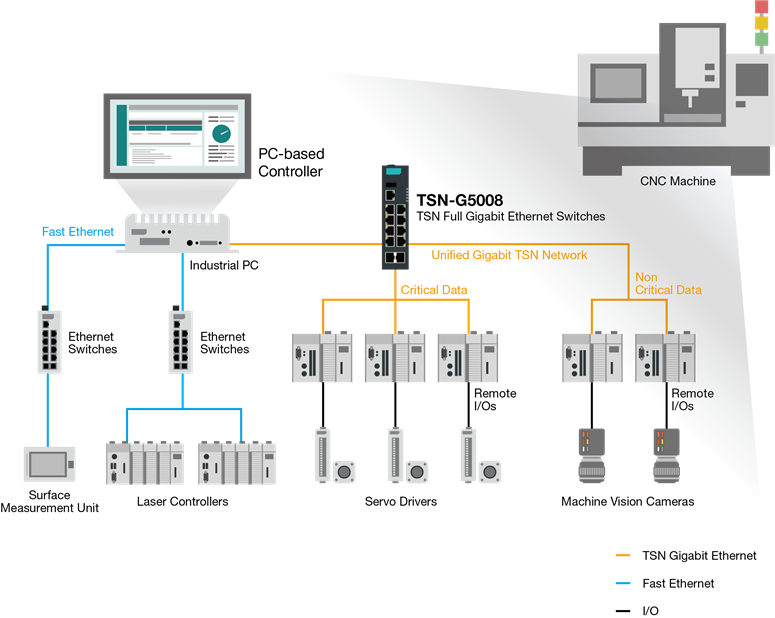
- TSN-G5008 central switch: 8x Gigabit ports
- Port allocation: Ports 1-4 (remote I/O, <200μs cycle), Port 5 (industrial PC), Ports 6-7 (5MP vision cameras, 800 Mbps), Port 8 (servo drives)
TSN Traffic Scheduling (IEEE 802.1Qbv):
- Slot 1 (0-100μs): Servo control (PCP 7)
- Slot 2 (100-300μs): I/O synchronization (PCP 6)
- Slot 3 (300μs-1ms): Vision data (PCP 3)
Time-Aware Shaper guarantees servo messages transmit in slot 1, eliminating queuing delays. Vision traffic uses remaining bandwidth without disrupting control timing.
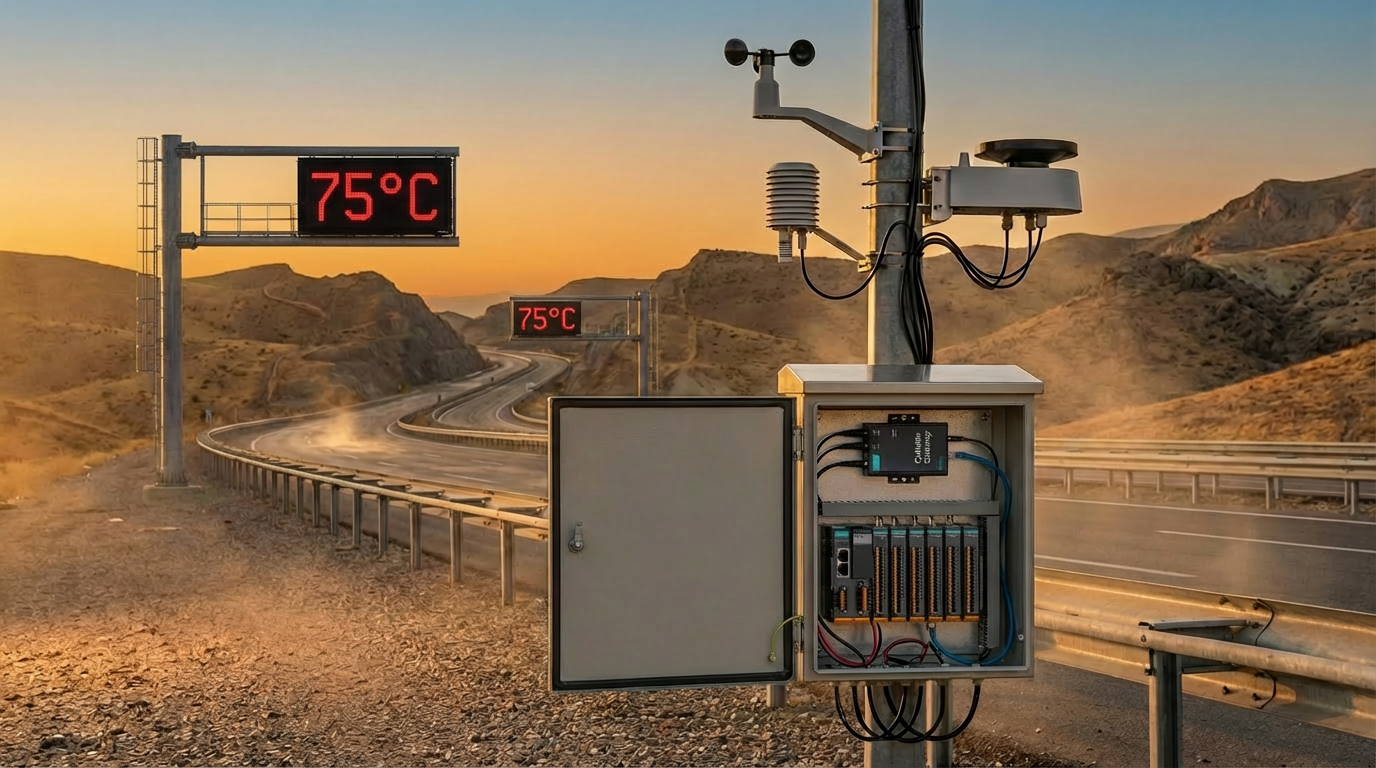
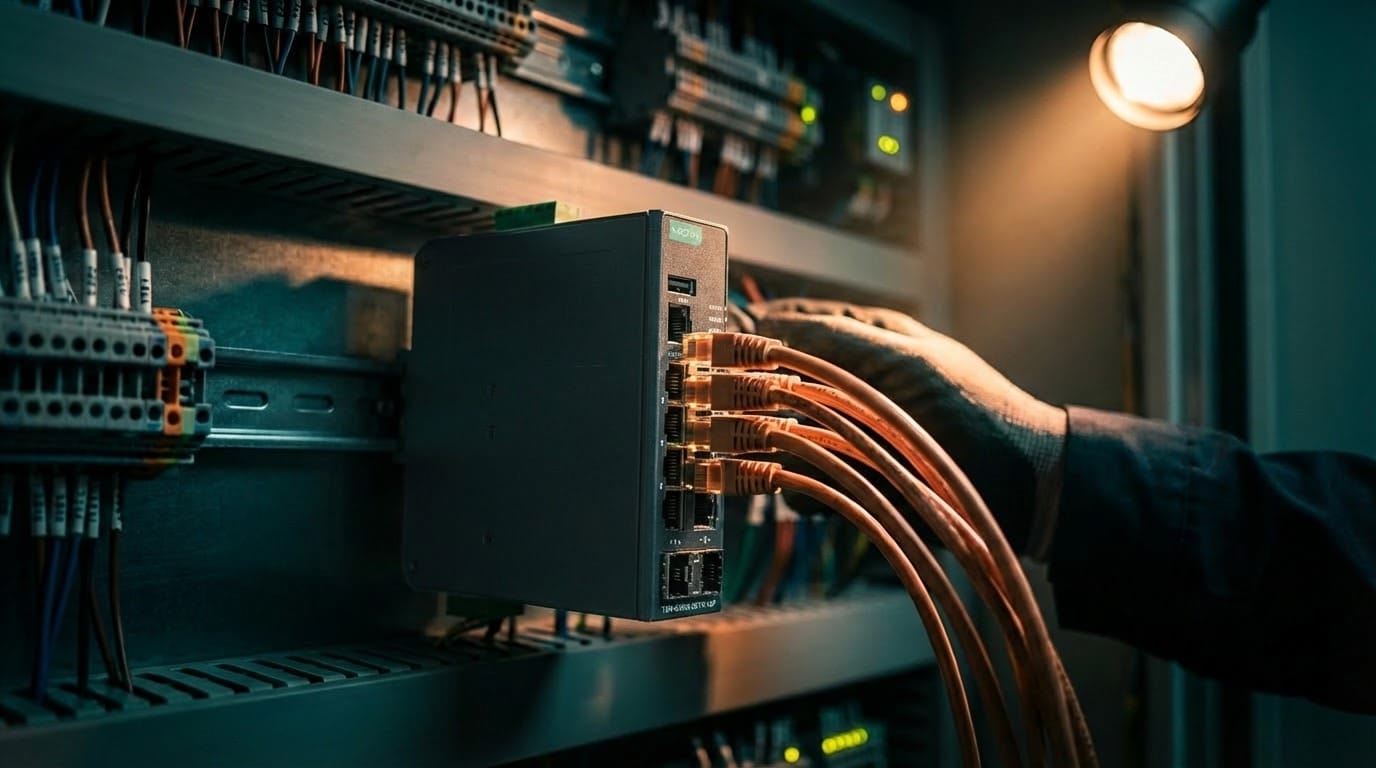
Specifications: IEC 61850-3/IEEE 1613 certified, -40°C to 75°C operation, 5G shock resistance, compact DIN-rail mount (80mm³), redundant 12-48 VDC power, web-based TSN scheduler, SNMP/MXview management.
Cybersecurity & Reliability: Securing Converged OT Networks
As CNC machines integrate with enterprise MES and cloud-based predictive maintenance platforms, network security becomes critical for protecting production uptime.
Security Features Deployed:
| Security Layer | Implementation | Standard Alignment |
|---|---|---|
| Access Control | 802.1X port authentication, MAC filtering | Restricts unauthorized devices |
| Network Segmentation | VLAN isolation for OT vs. IT | IEC 62443-3-3 zone/conduit model |
| Device Hardening | HTTPS/SSH only, disabled Telnet | NIST Cybersecurity Framework aligned |
| Firmware Integrity | Digitally signed updates, secure boot | Prevents unauthorized code |
Reliability Specifications:
The TSN-G5008 operates in -40°C to 75°C environments with <50μs servo control latency and 12-48 VDC redundant power inputs. MTBF exceeds 450,000 hours. Post-deployment data shows unplanned downtime reduced from 4.2 hours/month to 12 minutes/month (95% improvement), with 78% of issues resolved remotely without on-site visits.
For facilities requiring IEC 62443-4-2 SL3 certification, Moxa's industrial network security appliances provide deep packet inspection optimized for TSN traffic.
Related Products
ioLogik E1200 Series: Ethernet-based remote I/O modules with 8-16 DI/DO channels, supporting Modbus TCP and EtherNet/IP protocols. Ideal for distributed sensor integration in CNC cells. Features -40°C to 75°C operation and <1ms I/O response time. When paired with TSN switches, provides synchronized I/O updates for coordinated multi-axis motion.
V3200 Series Industrial Computers: Fanless x86 computers with Intel Core processors and 8x Gigabit Ethernet ports, designed for machine control applications. Supports real-time operating systems (RTLinux, INtime) and TSN driver stacks. Compact DIN-rail form factor fits CNC control cabinets. -40°C to 70°C operation with conformal coating for harsh manufacturing environments.
Conclusion
The TSN-G5008-enabled unified Ethernet infrastructure reduced CNC integration time by 80%, cut field service costs by 65%, and enabled 4K vision upgrades without network redesign. By standardizing on IEEE 802.1 TSN, the manufacturer future-proofs equipment for Industry 4.0 connectivity—supporting edge analytics, predictive maintenance, and OPC UA integration—while maintaining <50μs servo control determinism.
As manufacturing evolves toward adaptive production with real-time quality feedback, TSN's bandwidth reservation and time synchronization position it as the converged network standard for next-generation industrial automation.
For technical specifications, TSN network design assistance, or application engineering support for CNC and motion control applications, contact our engineering team at https://shopmoxa.neteon.net/contact. Our network engineers can help you architect deterministic Ethernet solutions that meet your precise timing and throughput requirements.
Visit https://shopmoxa.neteon.net/ for detailed TSN switch datasheets, IEEE 802.1 configuration guides, and network performance calculators. For insights on TSN adoption, explore: How TSN Powers Digital Transformation.