TLDR: A Chinese manufacturer integrated production, assembly, and logistics systems onto a single Time-Sensitive Networking (TSN) infrastructure using TSN-G5004 and TSN-G5008 Series switches, achieving deterministic communications with <100μs latency. The unified network reduced integration costs by 40%, minimized training requirements, and enabled dynamic mass customization with 99.9% uptime for real-time production optimization.
Overview: The Convergence Challenge in Modern Manufacturing
As manufacturing evolves toward Industry 4.0, deploying separate proprietary networks for production control, assembly automation, and logistics creates barriers to flexibility. Chinese manufacturers pursuing mass customization face a critical challenge: integrating diverse protocols—PROFINET, EtherNet/IP, Modbus TCP—onto converged infrastructure without sacrificing deterministic performance.
A leading Chinese manufacturer sought unified network architecture supporting sub-millisecond determinism for precision motion control while handling high-bandwidth vision inspection and MES integration—maintaining <100μs cycle time determinism, Gigabit throughput, and zero packet loss during network reconfiguration.
Challenge: Integrating Proprietary Networks Without Compromising Performance
The manufacturer operated three isolated systems: PROFINET-based CNC/robotics (<500μs cycle time), EtherNet/IP PLCs with vision inspection (800 Mbps bandwidth), and Modbus TCP AGVs with warehouse management integration.
Network Integration Barriers:
| Requirement | Needed | Challenge with Standard Ethernet |
|---|---|---|
| Deterministic Latency | <100μs | Best-effort provides 1-10ms variable latency |
| Protocol Convergence | PROFINET + EtherNet/IP + Modbus | Gateways add 5-15ms conversion latency |
| Bandwidth Guarantee | 800 Mbps for vision | QoS cannot guarantee under congestion |
| Zero-Downtime Changes | Network reconfiguration | STP convergence takes 30-50 seconds |
| Scalability | 200+ devices/segment | Multiple networks increase costs/complexity |
Maintaining three networks consumed 35% of maintenance budget. Impact: 12-18 minute batch changeovers, 4.5 hours quarterly downtime, 22% engineering time on gateway configuration, and $45,000 annual training costs.
Solution: IEEE 802.1 TSN-Enabled Ethernet for Unified Industrial Networks
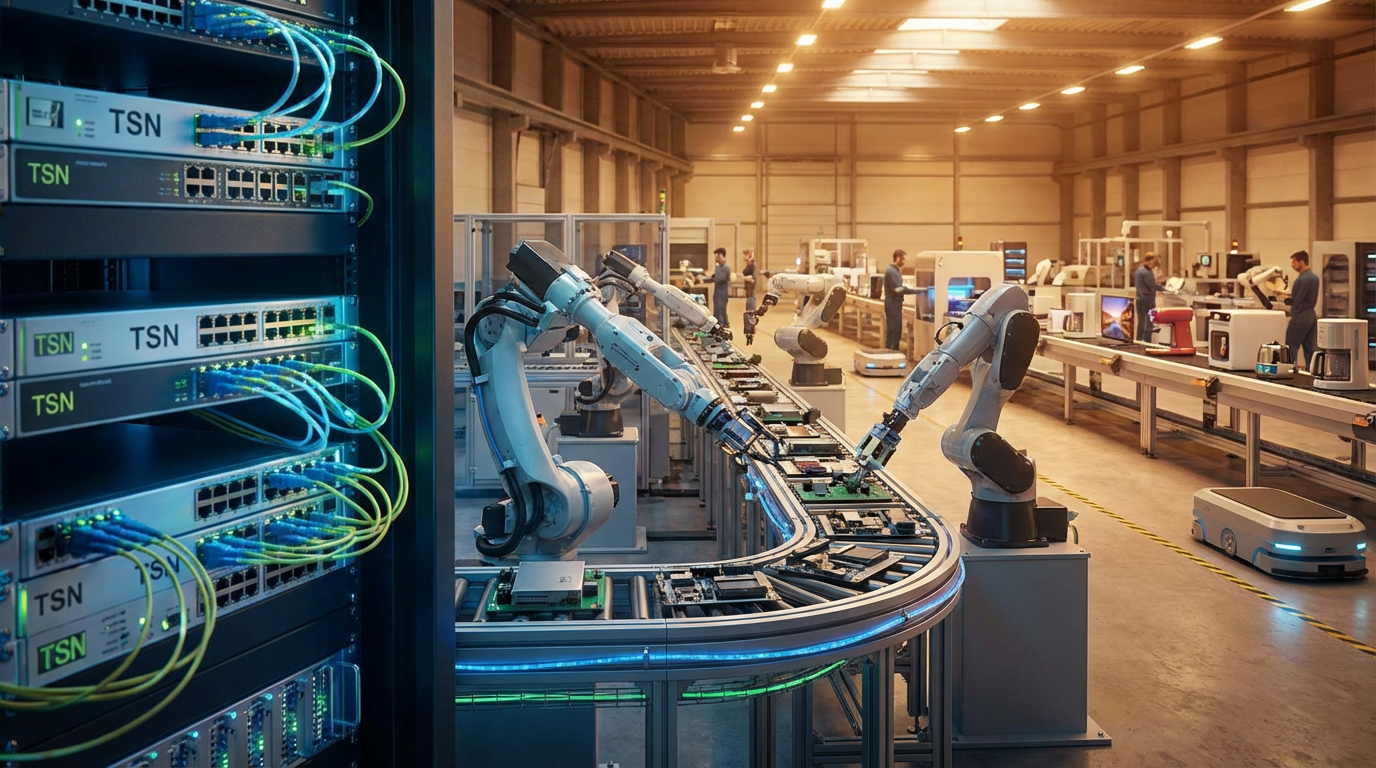
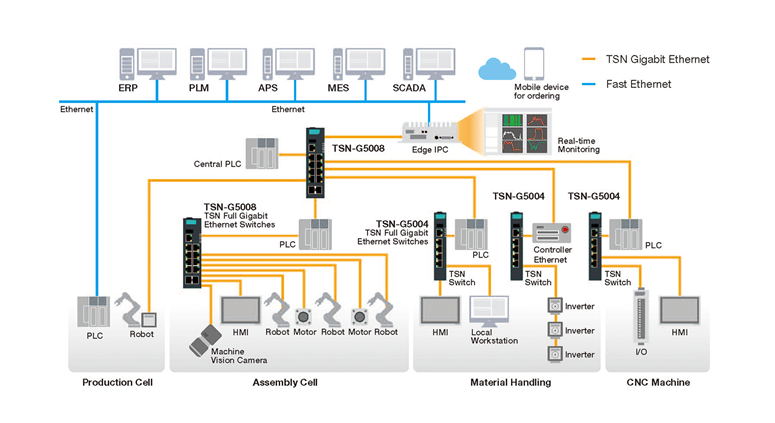
The manufacturer deployed TSN-G5004 Series (4-port) and TSN-G5008 Series (8-port) managed Gigabit Ethernet switches implementing IEEE 802.1 Time-Sensitive Networking (TSN) standards for deterministic frame transmission with guaranteed latency bounds and zero packet loss.
TSN Network Architecture:
| Network Zone | TSN Switch | Protocol Support | Key Features |
|---|---|---|---|
| Production Control | TSN-G5008 (core), TSN-G5004 (edge) | PROFINET over TSN | IEEE 802.1Qbv (time-aware shaper), 802.1AS |
| Assembly Line | TSN-G5008 | EtherNet/IP, Modbus TCP | IEEE 802.1Qbu (frame preemption) |
| Vision & Logistics | TSN-G5004 | IP cameras, AGV control | Guaranteed bandwidth with 802.1Qbv |
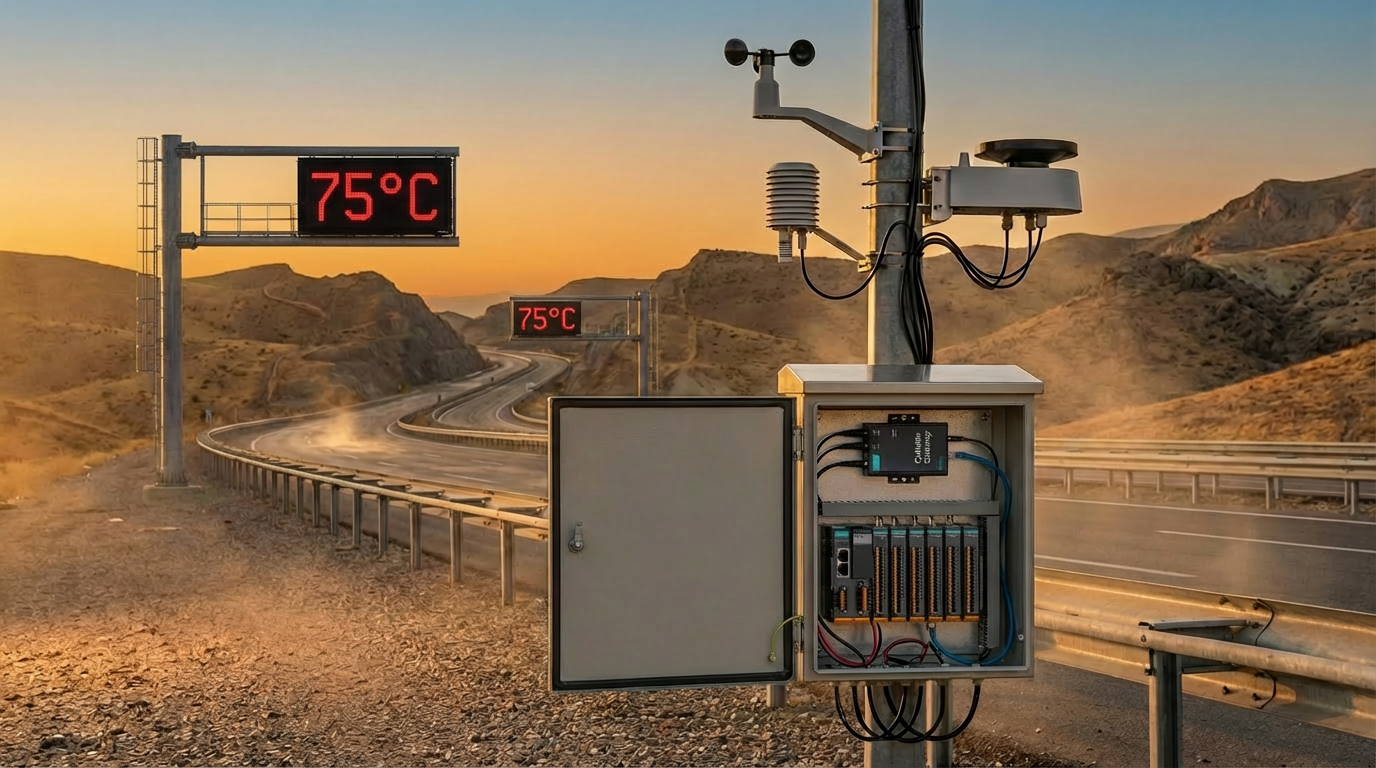
IEEE 802.1Qbv divides each 1ms cycle into deterministic time slots with <100μs windows for motion control traffic. IEEE 802.1AS provides <1μs synchronization accuracy. IEEE 802.1Qbu reduces worst-case latency from 12ms to <150μs by allowing frame preemption. Environmental specs: -40°C to 75°C operation, dual redundant power (12-48 VDC), fanless design.
Network Performance Comparison:
| Metric | Previous (3 Networks) | New (TSN) | Delta |
|---|---|---|---|
| Motion Control Latency | 450μs | <80μs | -82.2% |
| Vision Throughput | 650 Mbps | 800 Mbps | +23.1% |
| Network Reconfiguration | 30-50 seconds | <20ms | -99.96% |
| Integration Engineering | 22% of projects | 8% | -63.6% |
| Annual Infrastructure Cost | $127,000 | $76,000 | -40.2% |
| Batch Changeover Time | 12-18 minutes | 3-5 minutes | -72.2% |
Deterministic scheduling eliminates queuing delays, reducing latency by 82%. Network consolidation removed 5-15ms gateway overhead. Turbo Ring <20ms failover enables topology changes without production interruption—critical when line reconfiguration occurs multiple times per shift.
Cybersecurity & Reliability: Securing Converged OT/IT Networks
As manufacturing networks converge, cybersecurity becomes paramount. The unified TSN infrastructure requires explicit security controls aligned with IEC 62443 industrial cybersecurity standards.
Security Implementation:
| Security Layer | Implementation | Standard Alignment |
|---|---|---|
| Network Segmentation | VLAN isolation: production (10), assembly (20), logistics (30) | IEC 62443-3-3 (zone/conduit) |
| Access Control | Port-based 802.1X authentication, RADIUS integration | IEC 62443-4-2 role-based access |
| Device Hardening | HTTPS/SNMPv3 only, disabled Telnet/HTTP | NIST Cybersecurity Framework |
| Firmware Integrity | Digitally signed firmware with SHA-256 verification | Secure boot validation |
Reliability Specifications:
The TSN-G5004/G5008 Series switches operate in -40°C to 75°C environments with fanless cooling. Dual redundant power inputs (12-48 VDC) ensure continuous operation. MTBF exceeds 600,000 hours. Turbo Ring topology provides automatic recovery with <20ms reconfiguration—imperceptible to motion control. Dual-ring deployments achieve 99.99% uptime even during planned maintenance.
Related Products: Extending the Unified Network Architecture
MGate 5103 Series: For legacy PROFINET equipment integration, the MGate 5103 protocol gateway provides transparent Modbus-to-PROFINET conversion with <5ms latency. Supports 256 Modbus registers and 128 PROFINET I/O bytes, enabling phased TSN migration without forklift upgrades. Features dual Ethernet ports for redundancy and -40°C to 75°C operation.
AIG-501 Series: The AIG-501-T-AZU-LX Industrial IoT gateway aggregates TSN network data for cloud analytics and predictive maintenance. Intel Atom quad-core processor with ThingsPro Edge software supports Node-RED, OPC UA, and Azure/AWS IoT integration. Includes 4 digital I/Os for edge control and LTE cellular backup.
Conclusion: TSN as the Foundation for Adaptive Manufacturing
By deploying unified TSN network infrastructure, the Chinese manufacturer integrated production, assembly, and logistics systems on a single Ethernet platform. The migration reduced infrastructure costs by 40%, eliminated 4.5 hours quarterly maintenance downtime, and decreased batch changeover time by 72%—enabling true mass customization.
As Industry 4.0 accelerates OT/IT convergence, Time-Sensitive Networking provides deterministic performance for mission-critical control while supporting the flexibility demands of modern manufacturing.
For more insights on industrial network convergence and TSN implementation, explore our resource library at https://shopmoxa.neteon.net/resources. To discuss your industrial networking requirements, contact us at https://shopmoxa.neteon.net/contact or connect with us on LinkedIn.